
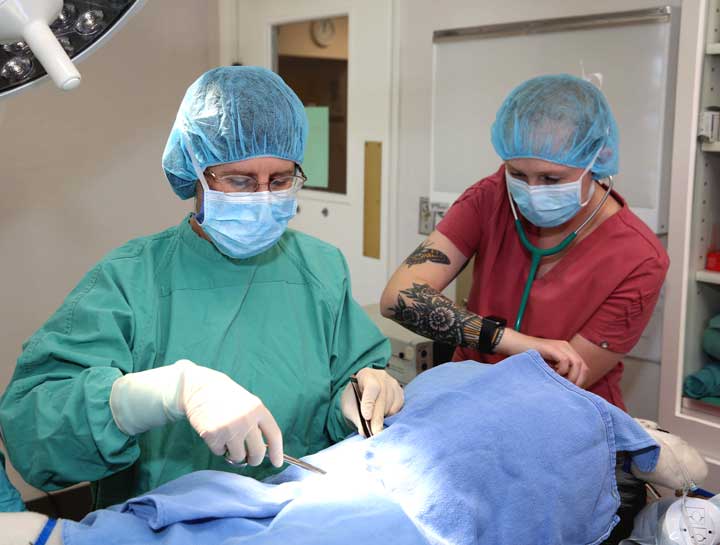

For pets, surgical procedures by the Veterinarian in Maple Valley, WA, are a crucial aspect of veterinary care, providing effective solutions for a wide range of health issues, from routine spay/neuter operations to complex orthopedic and oncological surgeries. As a pet owner, it’s essential to understand the various surgical options available, the risks and benefits associated with each procedure, and how to prepare your furry friend for a successful outcome. Whether your pet requires elective surgery or emergency intervention, understanding the surgical process can help alleviate concerns and ensure the best possible care for your loyal companion.
This article will explore common surgical procedures for pets, what to expect, and how to prepare.
Common surgical procedures for pets
Here are some common surgical procedures for pets:
- Spaying/Neutering: Prevents unwanted breeding and reduces health risks.
- Orthopedic surgery: Addresses joint issues, bone fractures, and musculoskeletal problems.
- Soft tissue surgery: Encompasses procedures for skin, organs, and tissues.
- Dental surgery: Treats dental issues, such as extractions and oral tumors.
- Oncological surgery: Removes tumors and cancerous growths.
- Emergency surgery: Addresses life-threatening conditions, like intestinal blockages or trauma.
- C-sections: Assists with difficult births.
- Gastrointestinal surgery: Addresses conditions like bowel obstruction or stomach ulcers.
- Urogenital surgery: Treats issues like kidney stones or urinary tract infections.
- Ophthalmic surgery: Addresses eye problems, such as cataracts or entropion.
- Skin surgery: Treats skin conditions like tumors, cysts, or abscesses.
- Reconstructive surgery: Repairs birth defects or injuries.
- Laparoscopic surgery: Minimally invasive procedures for issues like spaying or biopsies.
- Arthroscopy: Examines and treats joint conditions.
- Neurosurgery: Addresses brain, spine, or nerve disorders.
Pre-surgical preparation for pets
Pre-surgical preparation for pets includes:
- Consultation: Discuss the pet’s condition, surgical options, and risks with your veterinarian.
- Diagnostic tests: Blood work, imaging, and other tests to ensure a pet’s overall health.
- Fasting: Withhold food and water as instructed to prevent surgical complications.
- Anesthesia planning: Discuss anesthesia options and risks with your veterinarian.
- Medication management: Adjust or discontinue medications as advised.
- Vaccinations: Ensure pets are up-to-date on vaccinations.
- Parasite control: Treat for fleas, ticks, and worms.
- Blood work: Complete pre-surgical blood work to detect potential issues.
- Imaging studies: X-rays, ultrasound, or other imaging tests as needed.
- Pre-surgical exam: Final examination before surgery to ensure the pet’s readiness.
- Owner preparation: Understand post-surgical care, medication, and follow-up instructions.
- Prepare a safe space: Set up a quiet, comfortable area for the pet’s recovery.
Post-surgical care
Post-surgical care for pets is crucial for a smooth and safe recovery. Here’s a comprehensive guide:
Immediate post-surgical care (first 24 hours)
- Monitoring: Watch for signs of complications, such as bleeding, vomiting, or difficulty breathing.
- Pain management: Follow the veterinarian’s instructions for pain medication.
- Rest: Ensure pets get plenty of rest and avoid strenuous activities.
- Food and water: Follow the veterinarian’s instructions for feeding and hydration.
- Wound care: Monitor the surgical site for signs of infection or complications.
Short-term post-surgical care (first few days)
- Follow medication instructions: Administer medication as directed by your veterinarian.
- Restrict activity: Limit the pet’s activity to prevent complications or discomfort.
- Monitor wound: Keep an eye on the surgical site for signs of infection or complications.
- Attend follow-up appointments: Schedule follow-up appointments with your veterinarian.
Long-term post-surgical care
- Gradually increase activity: Gradually increase your pet’s activity level as recommended by your veterinarian.
- Monitor for complications: Watch for signs of long-term complications or side effects.
- Follow-up appointments: Schedule regular follow-up appointments to monitor progress.
- Adjust medication: Adjust medication as needed, under the guidance of your veterinarian.
Additional tips
- Provide a safe environment: Ensure pet’s safety by removing hazards and providing a comfortable space.
- Prevent licking or chewing: Prevent pets from licking or chewing at the surgical site.
- Seek emergency care: Seek immediate veterinary attention if you suspect complications or side effects.
Consult with your veterinarian to discuss your pet’s specific needs and determine the best course of action.
