
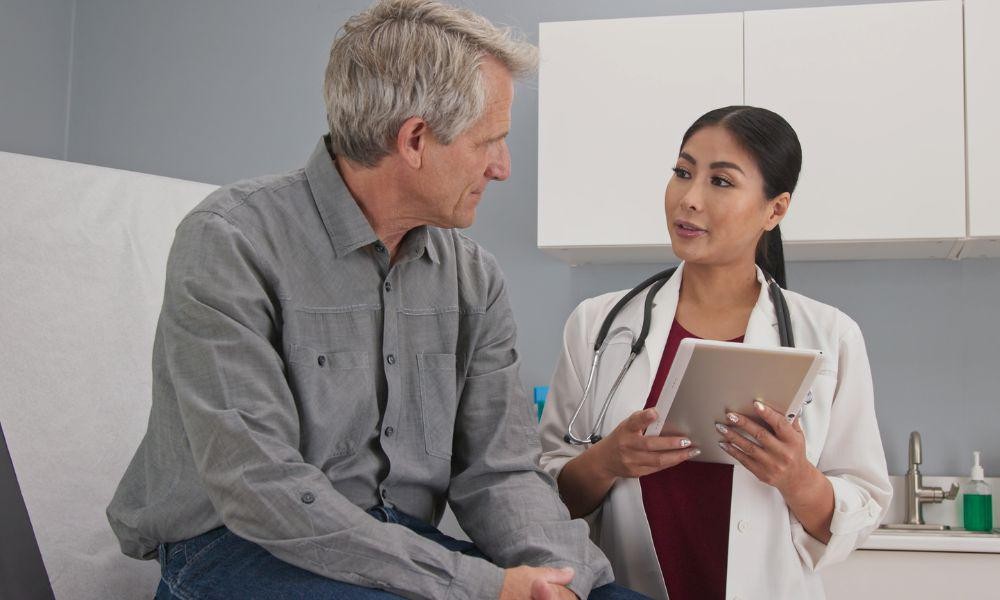

How telehealth is changing the role of the primary care physician, improving access, convenience, and patient care in today’s digital healthcare world.
Telehealth is reshaping how primary care physicians deliver care by making healthcare more accessible, efficient, and patient-centered. It allows doctors to diagnose, monitor, and treat patients remotely while strengthening long-term relationships through digital tools and real-time communication.
Have you ever wondered if your doctor visit could happen from your couch-and still be just as effective?
The short answer is yes. Telehealth is transforming primary care by moving many services online. Primary care physicians are no longer limited to in-person visits. They now use video calls, apps, and remote monitoring tools to care for patients faster and more efficiently.
What Is Telehealth And Why It Matters 📱
Telehealth refers to healthcare services delivered through digital platforms. It includes video consultations, phone calls, and remote patient monitoring. This approach reduces the need for physical visits in many cases.
Patients benefit from convenience and faster access to care. Doctors can reach more patients without geographic limits. This matters most in rural or underserved areas where healthcare access is limited.
Telehealth also supports early diagnosis and ongoing care. It encourages patients to seek help sooner instead of delaying visits. That leads to better health outcomes over time.
The Traditional Role Of Primary Care Physicians 🩺
Primary care physicians have always been the first point of contact in healthcare. They diagnose common illnesses, manage chronic conditions, and provide preventive care. Their role is broad and essential.
Traditionally, care was delivered in clinics or hospitals. Patients had to travel, wait, and schedule appointments days in advance. This often created barriers for many people.
Despite these challenges, PCPs built strong patient relationships. They knew their patients’ history and guided long-term health decisions. Telehealth is now expanding this role even further.
Before we explore deeper changes, let’s talk about how patients interact with care today.
A primary care physician is still the first person most people turn to for medical advice. However, the way patients search for care has shifted. Many now type pcp near me into search engines expecting fast, convenient options that include virtual visits.
This shift has pushed healthcare providers to adapt quickly. Patients want flexibility, shorter wait times, and digital communication. Telehealth allows a primary care physician to meet these expectations while still delivering personalized care.
How Telehealth Expands Access To Care 🌍
Telehealth removes location barriers. Patients in remote areas can connect with doctors easily. This is especially helpful for those with limited transportation.
It also supports people with mobility challenges. Elderly patients or those with disabilities can receive care without leaving home. That reduces stress and improves consistency in care.
Doctors can now serve a larger population. This helps reduce healthcare gaps and ensures more people receive timely treatment.
Improved Patient Convenience And Satisfaction 😊
Convenience is one of the biggest benefits of telehealth. Patients can schedule appointments faster and avoid long waiting times. This makes healthcare feel more accessible.
Virtual visits save time and reduce costs. There is no need for travel or taking time off work. This encourages more people to seek care regularly.
Satisfied patients are more likely to follow treatment plans. They feel heard and supported when care fits into their lifestyle.
Shift From Reactive To Proactive Care 🔄
Telehealth allows physicians to monitor patients continuously. This shifts care from reactive to proactive. Doctors can detect issues before they become serious.
Remote monitoring devices track vital signs in real time. Physicians receive alerts if something is off. This helps in early intervention.
Proactive care leads to better outcomes. Patients stay healthier and avoid emergency situations.
The Rise Of Remote Patient Monitoring 📊
Remote patient monitoring uses devices to track health data. These include blood pressure monitors, glucose meters, and wearable devices.
Doctors can review this data regularly. It helps them adjust treatments without requiring in-person visits. This improves chronic disease management.
Patients feel more involved in their care. They can see their progress and stay motivated to maintain healthy habits.
|
Feature |
Traditional Care |
Telehealth Care |
|---|---|---|
|
Appointment Type |
In-person |
Virtual & In-person |
|
Access Speed |
Slower |
Faster |
|
Monitoring |
Occasional |
Continuous |
|
Patient Convenience |
Limited |
High |
Strengthening Doctor-Patient Relationships 🤝
Telehealth may seem less personal, but it often strengthens relationships. Patients communicate more frequently with their doctors. This builds trust over time.
Short check-ins become easier. Patients can ask questions without scheduling full visits. This keeps communication open.
Doctors gain deeper insights into patients’ daily lives. Seeing a patient at home provides valuable context for care decisions.
Changes In Diagnosis And Treatment Methods 🧠
Diagnosis through telehealth relies on communication and observation. Physicians ask detailed questions and guide patients through self-checks. This requires strong listening skills.
Treatment plans are often more flexible. Doctors can adjust medications quickly based on feedback. Follow-ups are easier and more frequent.
Some conditions still require in-person exams. Telehealth works best when combined with traditional care methods.
The Role Of Technology In Modern Primary Care 💻
Technology is at the heart of telehealth. Tools like video platforms, mobile apps, and AI support physicians in delivering care.
Electronic health records are now integrated with telehealth systems. This ensures seamless access to patient history. Doctors can make informed decisions quickly.
Technology also improves efficiency. Physicians can manage more patients without compromising quality.
Telehealth And Chronic Disease Management ❤️
Chronic conditions require ongoing care. Telehealth makes it easier to manage diseases like diabetes and hypertension. Regular check-ins keep patients on track.
Doctors can adjust treatments based on real-time data. This reduces complications and hospital visits. Patients feel more supported in their journey.
Consistent monitoring improves outcomes. It also reduces healthcare costs over time.
|
Chronic Condition |
Telehealth Benefit |
Outcome |
|---|---|---|
|
Diabetes |
Glucose tracking |
Better control |
|
Hypertension |
BP monitoring |
Reduced risks |
|
Asthma |
Remote check-ins |
Fewer attacks |
Addressing Challenges And Limitations ⚠️
Telehealth is not perfect. Some patients lack access to technology or internet. This creates a digital divide.
Not all conditions can be treated remotely. Physical exams and tests are sometimes necessary. Doctors must decide when in-person care is needed.
Privacy and data security are also concerns. Healthcare providers must ensure patient information stays protected.
Impact On Healthcare Costs 💰
Telehealth can reduce overall healthcare costs. Patients save on travel and time. Clinics can operate more efficiently.
Fewer hospital visits mean lower expenses. Early intervention prevents costly treatments later. This benefits both patients and providers.
Insurance coverage for telehealth is expanding. This makes it more accessible to a wider population.
Telehealth In Preventive Care 🛡️
Preventive care is essential for long-term health. Telehealth makes it easier to schedule routine check-ups. Patients are more likely to stay consistent.
Doctors can provide lifestyle advice and screenings. Early detection of health issues becomes more common. This improves overall well-being.
Preventive care reduces the burden on healthcare systems. It keeps populations healthier over time.
The Future Of Primary Care In A Digital World 🚀
The future of primary care is hybrid. It combines telehealth with in-person visits. This creates a balanced and flexible system.
Artificial intelligence and data analytics will play a bigger role. They will help doctors make faster and more accurate decisions.
Patients will expect digital-first healthcare. Primary care physicians must continue adapting to meet these expectations.
|
Trend |
Impact On PCP Role |
|---|---|
|
AI Integration |
Faster diagnosis |
|
Wearables |
Continuous monitoring |
|
Virtual Platforms |
Increased accessibility |
Skills Primary Care Physicians Need Today 🎯
Doctors need new skills in the telehealth era. Communication is more important than ever. They must explain clearly without physical exams.
Technical knowledge is also essential. Physicians must navigate digital tools efficiently. This ensures smooth patient interactions.
Adaptability is key. Healthcare is evolving rapidly, and doctors must keep learning to stay effective.
How Patients Can Make The Most Of Telehealth 📞
Patients should prepare for virtual visits. They need a stable internet connection and a quiet space. This ensures a smooth experience.
Keeping track of symptoms helps doctors make accurate diagnoses. Patients should also ask questions and stay engaged.
Telehealth works best when patients are proactive. Active participation leads to better outcomes.
Conclusion
Telehealth is redefining the role of the primary care physician. It expands access, improves convenience, and supports proactive care. Physicians are no longer limited by location or time. They can deliver high-quality care through digital tools while maintaining strong patient relationships.
The future of healthcare is a blend of technology and human connection. Primary care physicians remain at the center, guiding patients through this evolving landscape. Telehealth is not replacing them-it is empowering them to do more.
FAQs
What does telehealth mean for primary care doctors?
Telehealth allows primary care doctors to provide care remotely. It includes video calls, monitoring, and digital communication. This expands their reach and improves efficiency.
Can telehealth replace in-person doctor visits?
Telehealth cannot fully replace in-person visits. Some conditions require physical exams or tests. However, it works well for many routine and follow-up appointments.
How do I find a good PCP using telehealth?
Search online for providers offering virtual care options. Look for reviews and services offered. Many clinics now provide both in-person and telehealth visits.
Is telehealth safe for managing chronic diseases?
Yes, telehealth is effective for chronic disease management. It allows continuous monitoring and regular check-ins. This helps improve long-term health outcomes.
What equipment is needed for a telehealth visit?
You need a smartphone, tablet, or computer with internet access. A camera and microphone are also required. Some cases may need additional monitoring devices.
