
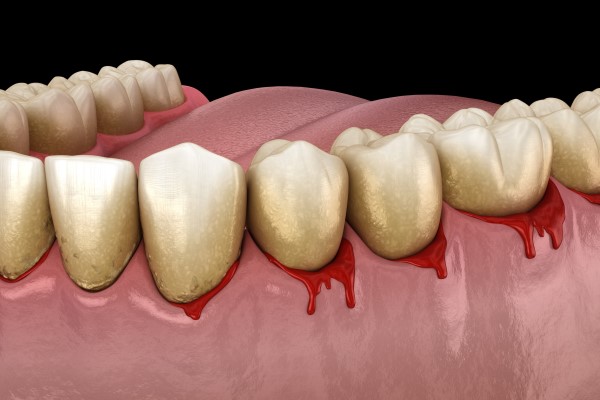

Bleeding gums, also known as gingival bleeding, is a common symptom of gum disease, affecting millions of people worldwide. It occurs when the gums become inflamed, leading to redness, swelling, and bleeding, especially during brushing or flossing. In this article, we will explore the causes, treatment, and prevention of bleeding gums by experts at a Houston, TX dental practice.
Exploring the causes of bleeding gums
Here are some common causes of bleeding gums:
- Poor oral hygiene: Infrequent brushing and flossing lead to plaque buildup, causing inflammation and bleeding.
- Gingivitis: A mild form of gum disease, often caused by poor oral hygiene.
- Periodontitis: A more severe gum disease, leading to deeper inflammation and bleeding.
- Hormonal changes: Fluctuations during pregnancy, menstruation, or menopause can increase gum sensitivity.
- Medications: Certain drugs, such as aspirin, warfarin, and heparin, can cause bleeding gums.
- Vitamin deficiencies: Lack of vitamin C and K can contribute to bleeding gums.
- Smoking: Smoking damages gums and increases the risk of bleeding.
- Aggressive brushing: Brushing too hard or using a hard-bristled toothbrush can damage gums.
- Dental work: Bleeding can occur after dental procedures, such as extractions or surgery.
- Systemic diseases: Certain diseases, like diabetes, leukemia, and bleeding disorders, can increase the risk of bleeding gums.
- Aging: Gums naturally recede with age, increasing the risk of bleeding.
- Genetics: Some people may be more prone to bleeding gums due to genetic factors.
- Stress: High stress levels can increase inflammation and lead to bleeding gums.
- Poor diet: A diet lacking essential nutrients can contribute to gum disease and bleeding.
- Grinding and clenching: Grinding or clenching teeth can damage gums and lead to bleeding.
Unwinding some effective treatment for bleeding gums
Here are some treatment options for bleeding gums:
- Professional dental cleaning: Removing plaque and tartar to reduce inflammation.
- Improved oral hygiene: Regular brushing and flossing to prevent plaque buildup.
- Antibacterial mouthwash: Reducing bacteria and inflammation.
- Desensitizing toothpaste: Reducing sensitivity and discomfort.
- Gum surgery: In severe cases, surgery may be necessary to repair damaged gums.
- Scaling and root planing: Deep cleaning to remove plaque and tartar.
- Laser treatment: Using lasers to reduce bacteria and inflammation.
- Gum grafting: Transplanting healthy gum tissue to damaged areas.
- Pinhole gum rejuvenation: A minimally invasive procedure to treat gum recession.
- Dental prophylaxis: Regular cleanings to prevent further gum disease.
- Antibiotics: In severe cases, antibiotics may be prescribed to treat underlying infections.
- Home remedies: Saltwater rinses, hydrogen peroxide mouthwash, and applying pressure with a cold compress.
Effective measures to prevent bleeding gums
Here are some ways to prevent bleeding gums:
- Brush regularly: Brush teeth at least twice a day with a soft-bristled toothbrush and fluoride toothpaste.
- Floss daily: Remove plaque and food particles from between teeth and under the gumline.
- Use an antibacterial mouthwash: Reduce bacteria and inflammation.
- Visit your dentist regularly: Schedule regular cleanings and check-ups.
- Maintain a healthy diet: Eat a balanced diet rich in vitamins C and K, calcium, and fiber.
- Avoid smoking: Smoking damages gums and increases the risk of bleeding.
- Manage stress: High stress levels can increase inflammation and lead to bleeding gums.
- Use a soft-bristled toothbrush: Avoid using hard-bristled toothbrushes that can damage gums.
- Avoid aggressive brushing: Brush gently to avoid damaging gums.
- Clean your tongue: Remove bacteria and freshen your breath.
- Use an electric toothbrush: Effective at removing plaque and improving gum health.
- Get enough sleep: Poor sleep can lead to inflammation and increase the risk of bleeding gums.
Bleeding gums are a common symptom of gum disease, but with proper treatment and prevention, it can be managed and even reversed. By maintaining good oral hygiene, eating a balanced diet, and avoiding harmful habits like smoking, you can reduce your risk of bleeding gums and promote overall gum health. If you experience bleeding gums, consult your dentist for professional advice and treatment. Remember, a healthy smile starts with healthy gums!
