
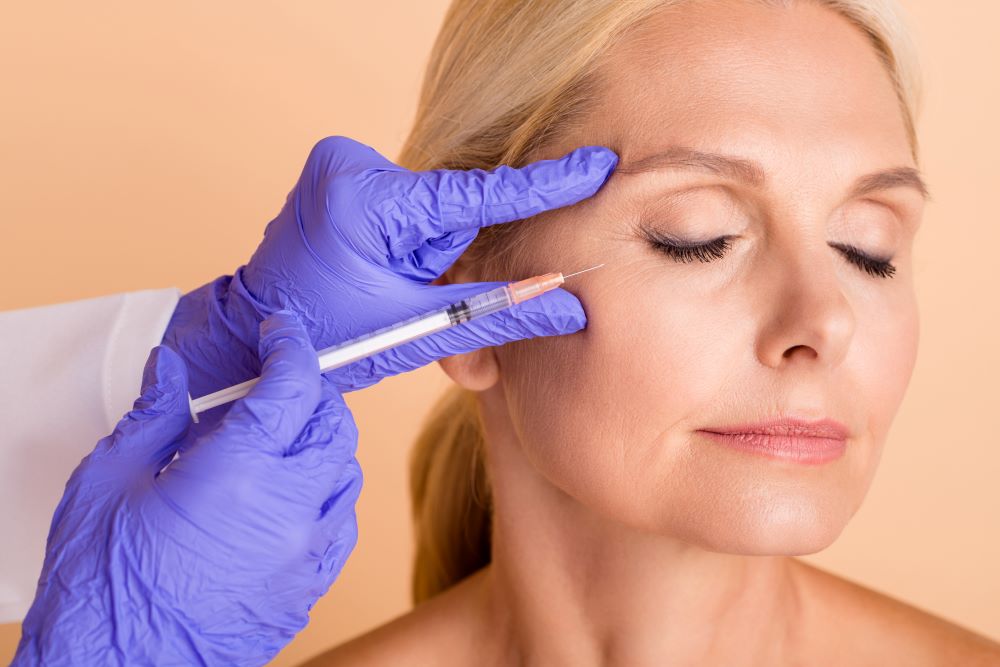

Some beauty trends come and go, but Botox continues to hold its place at the top of aesthetic treatments. The reason is simple: research keeps confirming its effectiveness, both for smoothing wrinkles and surprising medical benefits.
Botox: Separating Fact from Fiction
From Hollywood rumors to social media myths, few treatments are as misunderstood as Botox. Sorting fact from fiction begins with understanding how this substance works in the body.
What Is Botox and How Does It Work?
Botox is the brand name for botulinum toxin type A, a purified neurotoxin. When injected in very small, controlled doses, it temporarily blocks nerve signals to specific muscles. This relaxation of targeted muscles is what smooths away dynamic wrinkles, those caused by repeated facial expressions. Its effects are localized and wear off over time, which is why repeat treatments are necessary.
Common Misconceptions About Botox Origins and Safety
Despite its name, Botox is not a filler and has been rigorously tested for safety. Approved by the FDA since 2002 for cosmetic use, it is also used medically for conditions like chronic migraines and muscle spasms. Decades of use and thousands of clinical trials support its safety profile when administered by qualified professionals.
Myth 1: Botox Is Only for Wrinkles
Botox’s reputation as a wrinkle-buster is well-deserved, but that is only part of the story.
Therapeutic Uses Beyond Aesthetics
Physicians use Botox to treat a wide range of health issues. Chronic migraines, excessive sweating (hyperhidrosis), overactive bladder, and even teeth grinding (bruxism) have all responded to Botox injections in clinical settings. In some cases, patients have experienced significant relief where other treatments failed.
Scientific Evidence Supporting Medical Applications
The medical literature is robust. Double-blind, placebo-controlled trials confirm Botox’s efficacy for migraine prevention and muscle disorders. Studies have shown a clear reduction in headache days for migraine patients and improved quality of life for those with hyperhidrosis.
Myth 2: Botox Results Are Instant and Permanent
Expecting a quick, permanent fix? Science tells a different story.
Timeline of Botox Effects According to Research
Most people begin to see visible smoothing of lines within 3 to 7 days of injection. Peak results appear around the two-week mark and gradually diminish as the body metabolizes the toxin. The effects are temporary, not permanent.
Duration and Factors Influencing Longevity
For most, results last 3 to 4 months. Factors like metabolism, activity level, the area treated, and dosage can all influence how long Botox lasts. People who exercise intensely or have high metabolic rates may notice effects fading sooner.
Myth 3: Botox Is Unsafe and Causes Severe Side Effects
Safety concerns are common, but rarely rooted in the facts.
What Clinical Trials Reveal About Botox Safety
Botox has been extensively studied. The vast majority of side effects are mild and temporary, think slight bruising or swelling at the injection site. Severe reactions are extremely rare and usually linked to poor technique or unlicensed providers.
Common Side Effects vs. Rare Complications
Most patients report only minor discomfort. Rare complications, like drooping eyelids, typically resolve on their own within weeks. The key is expert administration.
Myth 4: Botox Freezes Your Face and Looks Unnatural
Nothing says “bad Botox” like a stiff, expressionless face. But is this inevitable?
How Dosage and Technique Affect Natural Results
Modern injection techniques focus on enhancing natural movement, not erasing expression. Lower, precisely placed doses allow for smoother skin while preserving the ability to smile, frown, and emote. The artistry lies in the hands of the injector.
Advances in Injection Methods Backed by Studies
Clinical reviews emphasize the importance of anatomical knowledge and tailored treatment plans. Advances in facial mapping and micro-dosing ensure more natural outcomes than ever.
Myth 5: Botox Causes Muscle Atrophy and Dependency
Some worry that repeated Botox use will weaken facial muscles permanently or create dependence.
Understanding Muscle Physiology and Botox Impact
Research counters these fears. Botox interrupts nerve signals temporarily, but muscles regain full function as the effect wears off. No evidence supports the idea of physical dependency.
Research on Long-Term Use and Muscle Health
Longitudinal studies show that while treated muscles can become slightly weaker with consistent use, no permanent atrophy occurs. Most patients can stop treatments at any time without negative health consequences.
Myth 6: Botox Is Painful and Requires Long Recovery
Pain and downtime are minimal when Botox is administered skillfully.
Patient Experience and Pain Management Strategies
Most describe the sensation as a quick pinch. Many clinics offer topical numbing creams for extra comfort. Procedures take minutes, and patients typically return to daily activities right away.
Evidence on Recovery Time and Procedure Comfort
Clinical studies report high patient satisfaction with both comfort and convenience. Side effects like redness fade within hours for most.
The Science Behind Choosing a Qualified Provider
The real risk with Botox is not the product, but the provider.
Importance of Expertise and Training in Botox Administration
Experience matters. Providers with advanced training in facial anatomy and injection techniques, like the team offering Mediluxe Botox treatment, deliver safer and more natural results.
How Research Supports Personalized Treatment Plans
No two faces are the same. Evidence supports personalized plans that consider muscle strength, facial structure, and patient goals, a standard of care at top clinics.
Conclusion: What Research Truly Tells Us About Botox Efficacy and Safety
Botox has earned its reputation through decades of scientific validation. When misconceptions fade away, what remains is a treatment with proven results, a strong safety record, and a versatility that stretches beyond beauty. Whether the goal is smoothing lines or relieving migraines, the science speaks clearly: in experienced hands, Botox is both effective and safe.
