
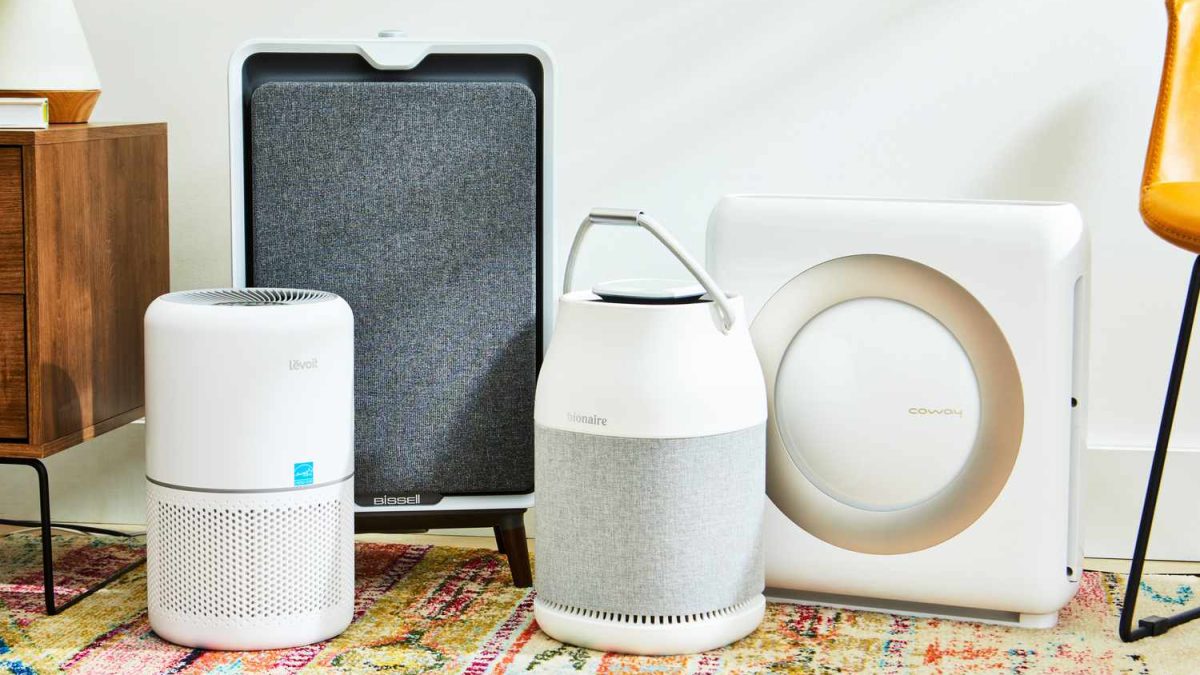

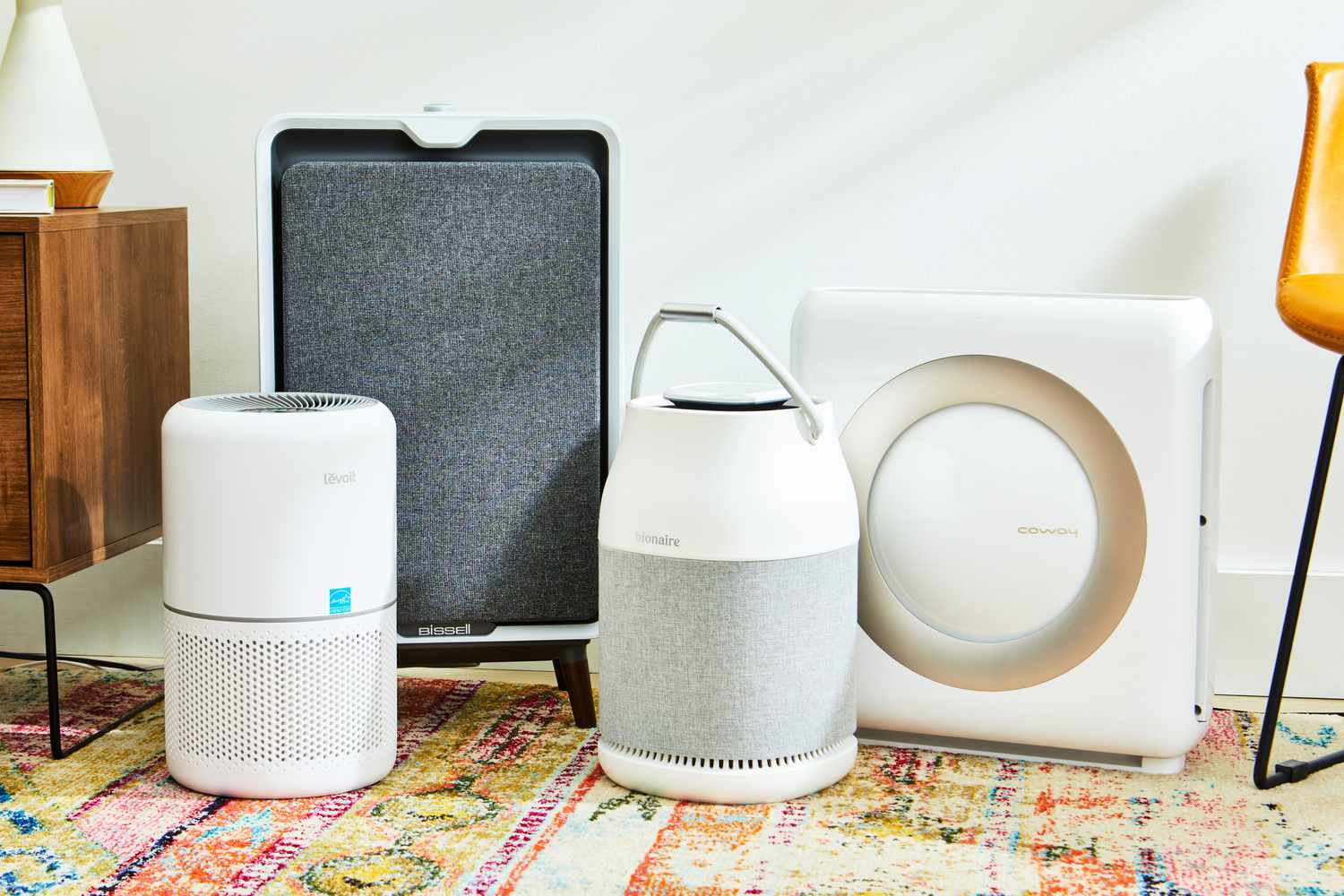
The indoor air often holds hidden irritants. Dust and pollen float through quiet rooms. Breathing becomes difficult for sensitive individuals. Now many households seek reliable air cleaning solutions. Modern filtration devices promise cleaner breathing spaces. Some systems use traditional HEPA technology. Others rely on advanced electrostatic filtration designs. The difference between these methods matters greatly. Performance varies under everyday indoor conditions. The right purifier reduces allergens and supports healthier living environments. Careful selection therefore improves comfort for many allergy sufferers.
The Rise of Advanced Filtration Technology
Advanced filtration technology follows a different design approach. These systems rely on electrostatic attraction principles. Charged plates capture particles without dense fiber barriers. Air moves freely through the purification chamber. So, airflow often remains steady during extended operation. The system collects particles on washable collection surfaces. Maintenance becomes simpler compared with traditional filter replacements. Sometimes modern brands refine this technology further. The company Airdog developed a well-known washable filtration system. This design separates pollutants using strong electrostatic fields inside the purifier.
Comparing Performance for Allergy Relief
Allergy sufferers want reliable purification. Both systems efficiently remove dust and pollen. However, operational variances affect daily performance. Through dense physical barriers, HEPA filters catch particles. Electrical attraction collects particles in advanced filtration. Airflow efficiency matters now. Strong airflow circulates cleaner air throughout rooms. Washable plates prevent excessive blockage, thus certain modern purifiers retain airflow during extended usage. After particle accumulation, traditional filters may need replacement. The correct purifier choice depends on home conditions and maintenance preferences. Effective purification systems belong among air purifiers that help allergies by consistently removing airborne triggers.
Maintenance and Long-Term Convenience
Maintenance requirements strongly affect purifier ownership satisfaction. HEPA purifiers require periodic filter replacement cycles. Replacement schedules vary across indoor environments. Homes with pets experience faster filter saturation. Replacement filters add recurring household expenses. Advanced filtration systems approach maintenance differently. Washable collectors allow repeated cleaning instead of replacement. So long term operating costs may decrease. The brand Airdog promotes washable filtration to reduce ongoing filter purchases.
Selecting the Right Purifier for Home Use
Choosing the correct purifier requires thoughtful evaluation. Room size influences effective purification capacity. Strong airflow helps circulate clean air quickly. Noise level also affects daily comfort. Some households prefer quieter nighttime operation. Energy efficiency becomes another valuable factor. Efficient purifiers support continuous operation without high electricity use. Sometimes buyers also consider design and portability. The brand Airdog often highlights durable electrostatic filtration within sleek purifier designs.
Conclusion
Cleaner indoor air improves everyday breathing comfort. Allergy triggers often hide within ordinary household spaces. Effective purification systems reduce these hidden irritants. HEPA technology delivers proven particle capture through dense filters. Advanced electrostatic purification offers steady airflow and washable collectors. The correct choice depends on lifestyle needs and maintenance preferences.
