
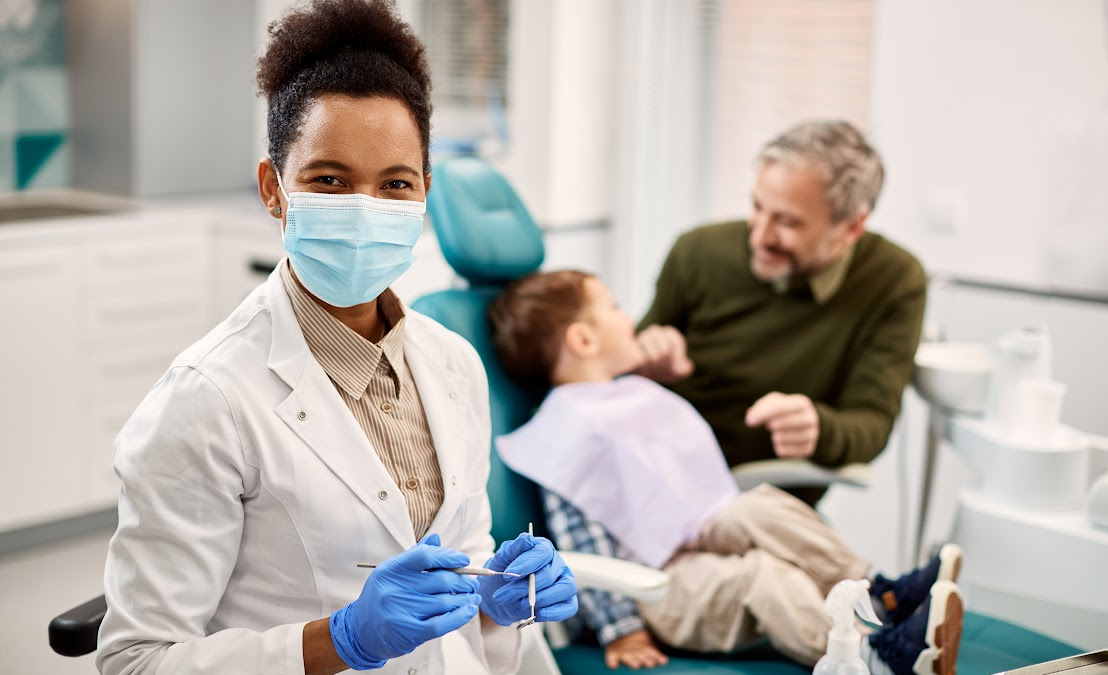


Your mouth changes as you age. Your care should change too. A family dentist understands a baby’s first tooth, a teen’s braces, and a senior’s dentures. Each stage needs different tools, time, and attention. You may face thumb sucking, sports injuries, grinding, or dry mouth. You may also worry about cost, fear, or past pain. A good dentist plans around these issues. You get clear steps, not confusion. You get treatment that fits your age, health, and daily life. If something hurts or breaks, an emergency dentist in Joliet, IL can respond fast and still protect your long term health. This blog explains how family dentists adjust exams, cleanings, fillings, and other care for children, adults, and older adults. You will see what to expect. You will know what to ask. You will feel more prepared before your next visit.
Why age changes your dental needs
Your teeth and gums stay with you for life. Yet they do not stay the same. Your enamel wears. Your gums pull back. Your bite shifts. Your habits change.
A family dentist looks at three things.
- Your stage of growth
- Your medical history
- Your daily risks at home, work, and school
This helps set a plan that protects you from pain, infection, and tooth loss. It also limits cost later. Early care is cheaper than emergency care.
How care differs by age
|
Age group |
Main focus |
Common visits |
Key risks |
|---|---|---|---|
|
Infants and toddlers (0 to 3) |
Growth and early habits |
Short exams, parent coaching |
Baby bottle decay, falls |
|
Children (4 to 12) |
Cavity prevention |
Cleanings, sealants, fluoride |
Snacks, weak brushing |
|
Teens (13 to 19) |
Bite, alignment, sports safety |
Braces checks, mouthguards |
Sugary drinks, injuries, tobacco |
|
Adults (20 to 64) |
Repair and gum health |
Fillings, crowns, deep cleanings |
Stress, grinding, gum disease |
|
Older adults (65 and older) |
Comfort and function |
Denture care, dry mouth support |
Tooth loss, root decay, medication effects |
Infants and toddlers
The first visit often happens by age one. You hold your child. The dentist checks the gums and teeth. The visit is short.
You learn how to
- Clean the first teeth with a soft cloth or brush
- Use a rice-sized smear of fluoride toothpaste
- Avoid putting a baby to bed with a bottle
Early visits reduce fear. They also help catch problems like lip ties or early decay. The Centers for Disease Control and Prevention explains that early tooth decay can affect speech, sleep, and learning. You protect more than a smile. You protect growth.
Children
By school age, your child sits in the chair alone. The dentist keeps the visit simple. The goal is trust.
Care often includes
- Cleanings every six months
- Fluoride to harden enamel
- Sealants on back teeth to block food from deep grooves
The dentist also watches how the jaws grow. You hear early if your child may need braces later. You also get clear rules about snacks, juice, and sports drinks.
Teens
Teens face new pressures. Late nights, fast food, and sports all affect teeth. So can vaping and smoking.
Your dentist adjusts by
- Checking wisdom teeth on X rays
- Working with an orthodontist for braces or aligners
- Fitting custom mouthguards for sports
The talk also changes. Your teen hears direct facts about stains, bad breath, and gum disease. Appearance matters to most teens. That can push for better brushing and flossing.
Adults
Adult teeth carry past damage. You may have old fillings or crowns. You may grind from stress or shift between jobs and health plans.
A family dentist often focuses on three steps.
- Stop active disease with fillings or root canals
- Protect weak teeth with crowns or onlays
- Clean below the gums to slow bone loss
Routine care is more effective after treatment. You may need night guards for grinding. You may also need a plan that respects pregnancy, diabetes, or heart disease. The National Institute of Dental and Craniofacial Research links gum disease with conditions like diabetes. Your mouth and body work together. Your care should as well.
Older adults
Later years bring new threats. Medications dry the mouth. Arthritis makes brushing hard. Memory loss can affect daily care.
Your dentist responds by
- Checking for root decay where gums have pulled back
- Adjusting dentures or partials for a safe bite
- Suggesting saliva substitutes and simple cleaning tools
Comfort stays central. You talk about pain, chewing, and taste. You also talk about who helps at home. A simple routine that you can keep is better than a perfect plan that you cannot follow.
How to choose the right family dentist
You deserve care that fits every stage of your life. When you look for a family dentist, ask three questions.
- Do you see infants, teens, adults, and seniors
- How do you handle fear, special needs, and complex medical issues
- What is your plan for urgent pain or broken teeth
Your dentist should speak in clear words. Your dentist should welcome questions from you and your child. Your dentist should help you plan treatment in steps that match your budget and your health.
Your needs will change. With the right family dentist, your care will change with you. You gain fewer surprises, less pain, and more control over your health at every age.
